Web Content By-Hassing Fallesen
Visualize a globe where the globe is clear, where the hassle of glasses and contacts is a far-off memory. With SMILE Laser Eye Surgery, that globe can become your truth.
This advanced treatment uses a long-term option to your vision distress, leaving you free to delight in life without the consistent need for rehabilitative eyeglasses.
But how does it work?
What are the advantages?
And most significantly, what can you anticipate throughout the treatment?
Allow' https://lasikpronunciation90998.ourcodeblog.com/25208415/prk-laser-eye-surgical-procedure-dispelling-common-myths-and-misconceptions into the world of SMILE Laser Eye Surgery and discover a future without glasses and contacts.
The Essentials of SMILE Laser Eye Surgical Treatment
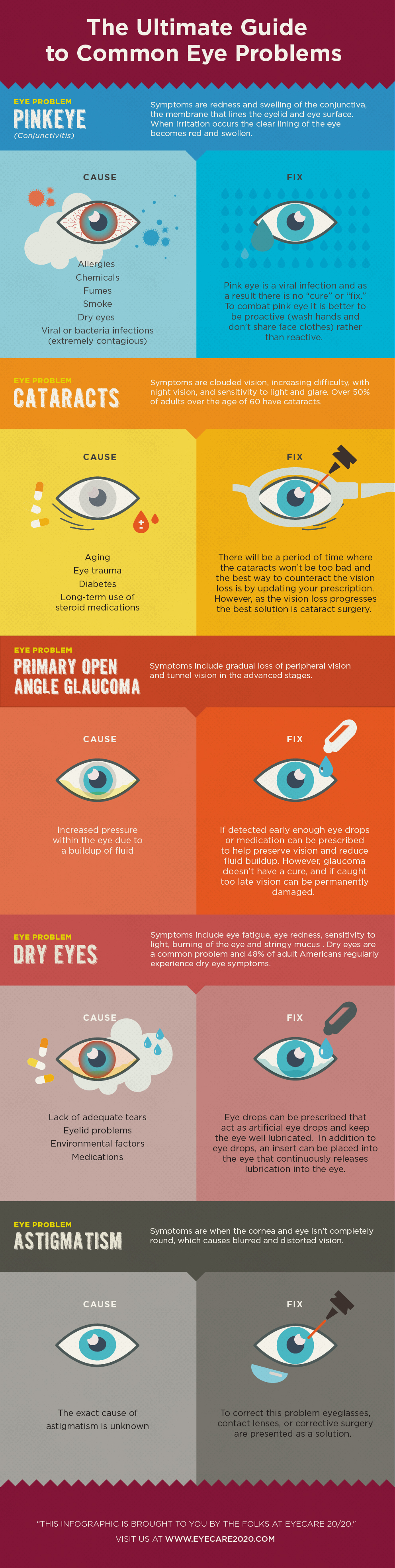
If you're thinking about SMILE laser eye surgical procedure, it is necessary to comprehend the essentials of this innovative treatment. SMILE, which represents Tiny Cut Lenticule Extraction, is a minimally invasive laser eye surgical procedure that corrects refractive mistakes such as nearsightedness (nearsightedness) and astigmatism.
Unlike conventional LASIK surgical treatment, SMILE doesn't call for the creation of a corneal flap. Rather, a femtosecond laser is made use of to create a little incision in the cornea, where a lenticule is extracted to improve the cornea and improve vision.
This procedure is executed with the utmost precision, as the laser is guided by sophisticated imaging innovation to make certain accurate results. SMILE uses a quicker healing time and minimal discomfort contrasted to other laser eye surgical treatments, making it an appealing alternative for numerous people seeking aesthetic flexibility.
Benefits of SMILE Laser Eye Surgical Treatment
There are numerous advantages to picking SMILE laser eye surgical treatment.
One advantage is that it's a minimally invasive procedure, making it much less stressful for your eyes compared to other types of laser eye surgical procedures. With SMILE, only a little incision is made, reducing the risk of dry eyes and other complications.
An additional benefit is the quick recovery time. Many patients can return to their normal tasks within a day or 2 after the surgical treatment.
SMILE likewise offers superb visual outcomes, with many clients accomplishing 20/20 vision or much better.
Additionally, the procedure is relatively quick, generally taking about 10 to 15 minutes per eye.
What to Expect Throughout SMILE Laser Eye Surgical Procedure
Throughout SMILE laser eye surgical procedure, you can expect a comfortable and reliable procedure that takes only around 10 to 15 mins per eye. The procedure starts with numbing eye drops to make sure a pain-free experience.
Keratomileusis will after that make use of a femtosecond laser to produce a small, exact cut in the cornea. With this incision, a layer of cells is gently removed, improving the cornea to fix your vision. Unlike other laser eye surgeries, SMILE does not need creating a flap, making it a minimally invasive procedure.
This likewise indicates that the healing procedure is commonly quicker and extra comfortable. After the surgical treatment, you might experience some mild pain, however this must diminish within a couple of days. Many clients observe an improvement in their vision promptly after the surgical procedure, with ideal results achieved within a couple of weeks.
Conclusion
Finally, SMILE laser eye surgical treatment offers an advanced remedy to bid farewell to glasses and contacts. With its marginal invasiveness and quick recuperation time, it offers several advantages over traditional approaches.
Remarkably, studies have shown that over 95% of people who go through SMILE surgical treatment accomplish 20/20 vision or far better, providing a clear and crisp view of the globe without the demand for rehabilitative eyeglasses.